
2027 GLOBAL FORUM
Transforming Healthcare
Through Personalising Value
18-19 May 2027
Melbourne Connect, Australia
Reflections from past Forum attendees
2027 GLOBAL FORUM
Hosted by

With the collaboration of our partners



Transforming Healthcare Through Personalising Value
Healthcare systems face many well recognised problems.
- Healthcare systems all over the world are running out of money.
- Healthcare workforce shortages exist everywhere with low levels of recruitment and retention and high levels of dissatisfaction and burnout.
- Demand for healthcare services is growing by the year.
- We have the greatest innovations we have ever known but many of these innovations are increasingly unaffordable.
- Many of the diseases we face today are in fact preventable, but our primary focus is on diagnosis and treatment.
This way of working is not sustainable.
We believe the personalisation of value is a major part of the solution.
Read more
Why understanding what matters, matters.
- For people, capturing individual priorities (their values and goals) helps to ensure healthcare is relevant to each person’s life and circumstances. This enables people to play a more active role in healthcare decisions. It also increases motivation to follow agreed treatment plans, improving adherence and contributing to better health outcomes overall.
- For healthcare professionals, capturing individual priorities enables more focused consultations and stronger shared decision-making, making it easier to (i) identify what matters most to each person and (ii) align treatment options with what matters most. It also enables healthcare professionals to far more accurately assess the value of care at both the individual and cohort levels.
- For healthcare systems, understanding individual priorities at scale is the only way for organisations to truly understand value and unmet need. This understanding helps to optimise how we allocate finite resources.
- For industry, understanding individual priorities at scale enables the identification of meaningful unmet need, generating actionable intelligence to support the development of new medicines and more personalised approaches to healthcare. It also strengthens alignment between clinical trial endpoints and what people actually value, making it easier to demonstrate and communicate the value of new interventions while supporting alignment with evolving regulatory expectations.
Person-Centred Value-Based Healthcare can make this happen.
Working in partnership, Sprink, the University of Melbourne and a broad coalition of clinicians, researchers, healthcare leaders, industry innovators and patient representatives, have worked to build and implement the principles of PCVBHC.
The focus is now increasingly on (i) scaling implementation, (ii) evaluating its impact in real-world settings and (iii) translating rich data on people’s values and goals into actionable insights that improve healthcare delivery, redefine measures of success and drive meaningful innovation.
What Makes This Forum Unique
Building the future of healthcare.
This Forum is designed to help build the future of healthcare. It will bring together leading voices and innovators from around the world to share how they are putting Person-Centred Value-Based Healthcare into practice.
We do not have all the answers, but we have a strong conviction: morally, professionally and economically, we need to move away from assuming we know what matters to people based only on their disease, and instead focus on understanding each person’s priorities.
Through the Forum, you will gain practical insights, tools and real-world examples to help bring Person-Centred Value-Based Healthcare to life. Be inspired by leading experts and peers from around the world, challenge your thinking, and discover how you can help shape a more Person-Centred Value-Based and sustainable future for healthcare.
Along the way, you will build meaningful connections and foster strategic collaborations with others working to translate this vision into practice.
We will focus on five core areas.
01
Putting people’s values and goals at the centre of clinical care
We will explore practical approaches that enable clinicians to integrate people’s values and goals into everyday decisions, leading to more personalised and meaningful care. We will also examine how operational leaders can create the conditions for these approaches to succeed, even when current measures and incentives may not yet fully support them.
02
Developing a Person-Centred Value-Based Healthcare strategy for systems, hospitals and departments
Senior healthcare leaders will share how they have developed and implemented strategies for Person-Centred Value-Based Healthcare-from whole organisations to departments and individual services. We will focus on their successes and failures.
03
Using values and goals to drive improvement
We will explore how this new source of data can support better healthcare, inform quality measurement across populations and organisations, guide resource allocation, and enable the responsible and effective use of Artificial Intelligence in healthcare.
04
Use patient priorities to identify unmet need and enhance clinical trials
We will explore how industry and research professionals can apply insights from values and goals to better understand unmet need, design more meaningful clinical trials, and support more sustainable healthcare models – all illustrated through real-world case studies.
05
Using technology and AI to scale Person-Centred Value-Based Healthcare
We will explore how technology and AI are transforming the way organisations implement and scale PCVBHC, creating new opportunities to deliver personalised value.
Who Should Attend?
The Forum is designed for
- Decision-makers in healthcare, including political leaders, system-level executives, and organisational leaders globally.
- Consumers and patient advocates championing person-centred care and ensuring people's priorities drive healthcare system change.
- Clinical leaders, clinicians, and service managers from around the world.
- Leaders from the pharmaceutical and medical technology industries looking to accelerate innovation that delivers personalised value.
- Scholars specialising in healthcare research and policy, with a focus on Person-Centred Value-Based Healthcare.
Guest Speakers (Confirmed to Date)
The 2027 Global Forum will feature an inspiring lineup of visionary leaders, innovators, and renowned experts from consumer and patient advocacy organisations, healthcare, policy, industry, and research.
Stay tuned as we introduce more renowned guest speakers in the coming weeks!
Read the Biography
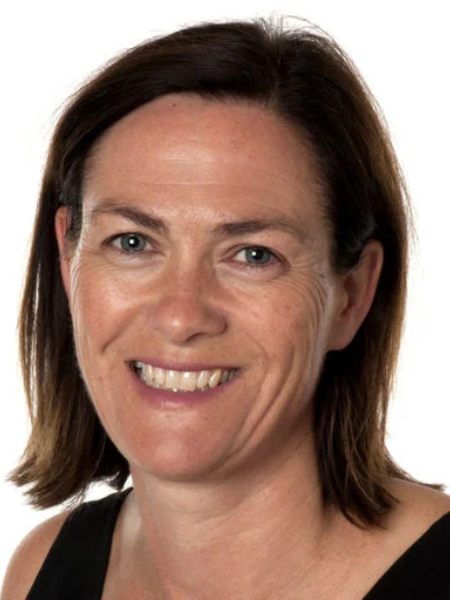
Jenny is Community Engagement Manager at The Royal Melbourne Hospital, where she leads work to strengthen partnerships between patients, families, clinicians and healthcare services to improve the quality, safety and experience of care.
With a background in nursing, healthcare improvement and consumer engagement, Jenny is passionate about embedding person-centred approaches into healthcare systems and ensuring that the voices, experiences and expertise of patients and communities are meaningfully incorporated into decision-making.
Her work focuses on co-design, shared decision-making, health literacy and building effective partnerships between consumers and healthcare professionals. Jenny has extensive experience supporting organisations to move beyond consultation towards genuine collaboration, creating healthcare services that are more responsive, equitable and aligned with what matters most to people.
Jenny is currently undertaking doctoral research exploring patient empowerment and decision-making for people living with multiple chronic conditions. Through her clinical, research and engagement work, she advocates for healthcare models that place people at the centre and deliver meaningful value for patients, families and communities.
Read the Biography
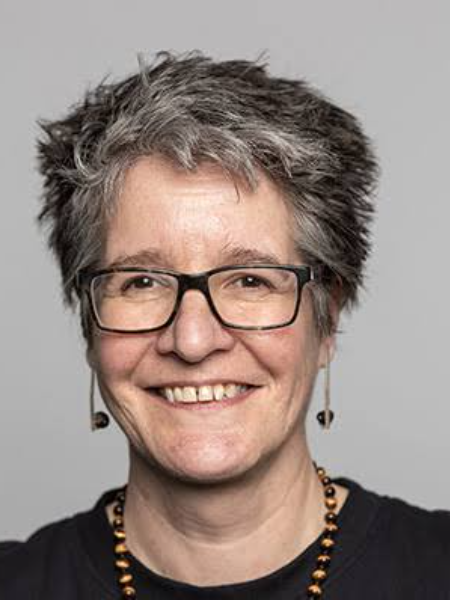
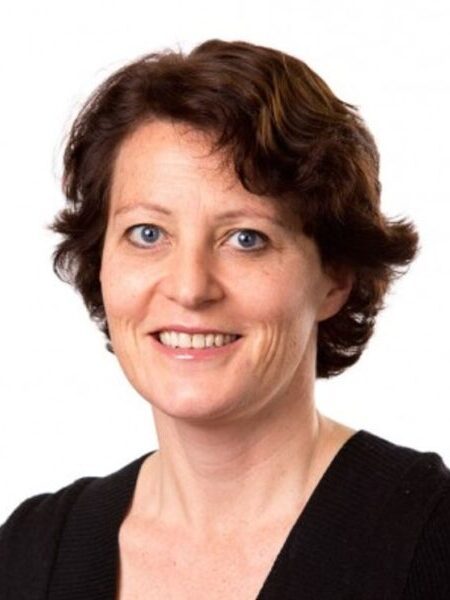
Stephanie is a leading implementation scientist specialising in translating evidence-based healthcare innovations into sustainable improvements in practice. Her research focuses on understanding how healthcare systems can successfully adopt, implement and sustain new models of care, ensuring that improvements deliver meaningful value for patients, clinicians and communities.
Stephanie’s work explores the complex factors that influence healthcare transformation, including system change, collaboration, equity and the integration of person-centred approaches into everyday practice. She is particularly interested in bridging the gap between research evidence and real-world healthcare delivery, supporting organisations to move from promising ideas to effective and sustainable solutions.
With a background in clinical practice, healthcare management and implementation research, Stephanie brings a unique perspective on how healthcare innovations can be designed, evaluated and embedded to create lasting impact. Her work contributes to building more responsive, equitable and value-driven health systems.
Read the Biography
Kirsty is a highly respected infectious diseases physician and healthcare leader based in Melbourne, Australia. She is Medical Director of Medical Services at the Royal Melbourne Hospital and a senior clinician and academic at the Peter Doherty Institute for Infection and Immunity, University of Melbourne.
She is passionate about improving the quality, safety, and effectiveness of healthcare, with a particular focus on infectious diseases, antimicrobial stewardship, and tackling antimicrobial resistance. Much of her work centres on helping health systems use antibiotics more wisely and building practical approaches that improve care for patients while strengthening system performance.
Alongside her clinical and academic roles, Kirsty plays an active leadership role in shaping hospital and national initiatives, working closely with multidisciplinary teams to translate evidence into real-world improvements in practice.

Read the Biography
Annie leads multidisciplinary palliative care services across hospital and community settings, with a focus on delivering compassionate, coordinated, person-centred care for people living with advanced, life-limiting illness.
Her clinical work places particular emphasis on integrating palliative care earlier in the course of disease and extending access beyond cancer care to include people living with advanced long-term conditions. She is a strong advocate for models of care that align treatment with what matters most to patients and their families.
Alongside her clinical leadership, Annie is actively involved in medical education and workforce development. She contributes to the training of junior doctors and specialist trainees in palliative medicine and supports multidisciplinary teams in building capability in serious illness care.
Her work is underpinned by a commitment to improving quality of life, supporting shared decision-making, and strengthening collaboration between specialist palliative care, acute services and primary care.

Read the Biography
Charlie is an Intensive Care Specialist at Barwon Health and Associate Professor at Deakin University’s School of Medicine, as well as an author, medical educator and leading voice in person-centred decision-making and end-of-life care.
With almost four decades of experience in intensive care, Charlie has dedicated his career to improving the way clinicians communicate with patients and families and ensuring that treatment decisions reflect what matters most to each individual. His work spans intensive care, shared decision-making, advance care planning and communication around serious illness and end-of-life care.
Charlie is the founder of MyValues, an approach to advance care planning that helps people identify and communicate their values and preferences to guide future healthcare decisions. He has also contributed to the development and delivery of communication training for doctors and healthcare professionals through his work with Deakin University and Barwon Health.
He is the author of Letting Go: How to Plan for a Good Death, drawing on his extensive experience in intensive care to explore how people and families can navigate serious illness, uncertainty and end-of-life decisions with greater clarity, compassion and respect for personal wishes.
A former President of the College of Intensive Care Medicine of Australia and New Zealand, Charlie was also Deputy Chair of Victoria’s Voluntary Assisted Dying Review Board and played an important role in the implementation of Victoria’s voluntary assisted dying legislation.
In 2025, he was appointed a Member of the Order of Australia (AM) in recognition of his significant contribution to intensive care medicine, medical education and end-of-life care.

Read the Biography
Kerry leads collaborative work to improve cancer care across western Victoria, Australia.
She works across hospitals, health services, and multidisciplinary teams to strengthen how cancer services are planned, coordinated, and delivered, with a strong focus on improving equity, access, and outcomes for people affected by cancer. Her role spans service development, system integration, and quality improvement across a large and diverse regional health network.
Kerry has extensive experience in regional health leadership and is deeply committed to building connected, person-centred cancer care pathways that work across organisational boundaries. She is particularly focused on enabling more consistent, high-quality care closer to home, while supporting strong collaboration between regional and metropolitan services.

Read the Biography
Shelley joined the RMH in August 2023 as Chief Executive. She is a familiar face in the Parkville Precinct, previously serving as the Chief Executive of the Peter MacCallum Cancer Centre.
In her previous roles, Shelley has successfully led large specialist tertiary hospitals in the UK, including as Chief Executive of King’s College Hospital NHS Foundation Trust and Deputy Chief Executive of the Royal Marsden Hospital.
Shelley is a highly respected clinical and research leader, and a former ICU nurse, with an impressive track record in healthcare, having successfully driven major organisational and cultural change in both Victoria and the United Kingdom (UK). Key capabilities include Executive and Non-Executive leadership across national and international bodies, strategy development, delivering excellence in quality and performance, overseeing large capital schemes, and innovative research projects that require engagement with a broad range of stakeholders.

Read the Biography
Claire is a Consultant Anaesthetist and national healthcare leader with a passion for transforming care through value-based, patient-centred approaches. As NHS Executive Clinical Lead for Value-Based Healthcare in Acute Care at Cardiff and Vale University Health Board, Claire works with clinical teams to embed approaches that improve outcomes that matter to patients while supporting sustainable healthcare delivery.
Claire also serves as National Clinical Lead for Anaesthetics within Planned Care Wales, where she leads improvement initiatives to enhance peri-operative pathways and support better access, experience and outcomes for patients across the system.
Alongside her clinical leadership roles, Claire is the founder of Q-FOUNDER, an innovative education initiative supporting clinicians preparing for the Primary FRCA examination, and Medical Director for Advanced Life Support (ALS), contributing to the development of high-quality clinical education and training.
With expertise spanning clinical practice, healthcare transformation, education and service improvement, Claire is committed to empowering healthcare professionals to use data, collaboration and innovation to create more personalised, effective and sustainable models of care.
Read the Biography
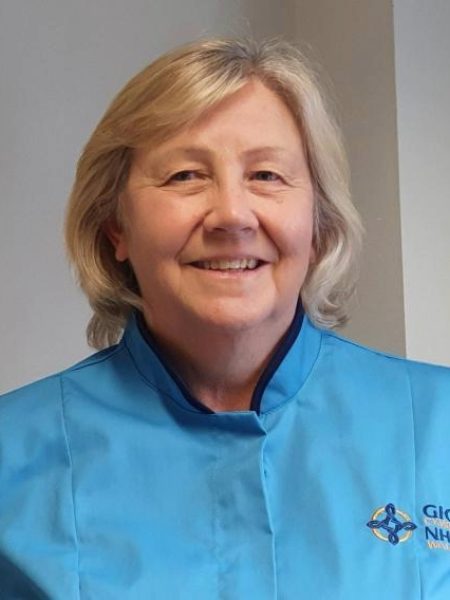
Linda Edmunds MBE is a former Consultant Nurse specialising in heart failure and cardiac rehabilitation at Aneurin Bevan University Health Board in South East Wales. Over a career spanning more than four decades, she played a pivotal role in developing and leading cardiac rehabilitation services across multiple health boards in Wales and North Somerset.
A passionate advocate for person-centred care, Linda has dedicated her career to improving the quality and delivery of cardiovascular services and enhancing the experiences of people living with heart failure and other cardiovascular conditions. Throughout her career, she contributed to national initiatives through organisations including the British Association for Cardiovascular Prevention and Rehabilitation (BACPR) and the British Society for Heart Failure (BSH), working closely with the Cardiac Network for Wales.
In recognition of her outstanding contribution to cardiac care, Linda was appointed a Member of the Order of the British Empire (MBE) in the King’s New Year Honours 2024. Although now retired, Linda continues to share her extensive expertise and experience, bringing invaluable insight to conversations on person-centred, value-based healthcare and service improvement.
If this is for a forum speaker page, this version reads naturally while keeping the focus on her expertise and lasting impact.
Read the Biography
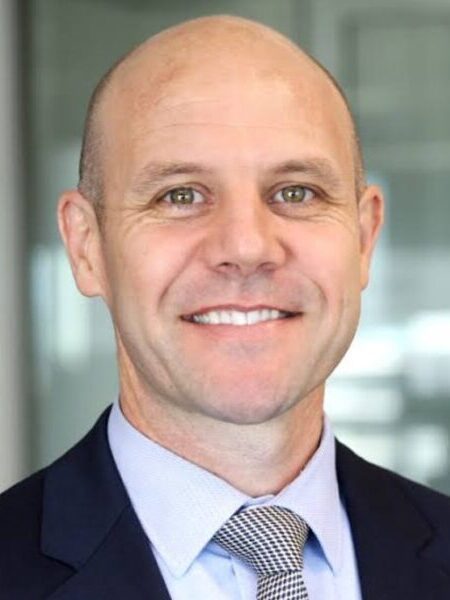
Adam is an internationally recognised health services researcher and policy advisor whose work focuses on improving the safety, quality, efficiency and sustainability of healthcare systems by identifying and reducing low-value care and optimising value for patients and populations.
He has advised governments and health organisations across Australia and internationally on health system reform, value-based healthcare, funding models and evidence-informed policy. Professor Elshaug has served on numerous national and international advisory committees, including Australia’s Medicare Benefits Schedule Review Taskforce, and has held fellowships at the US Agency for Healthcare Research and Quality, Harvard Medical School and The Brookings Institution.
His research has shaped policy and practice through innovative use of health data to measure healthcare utilisation, identify unwarranted variation and support more effective allocation of resources. He has published extensively in leading medical journals, including The Lancet, The New England Journal of Medicine, JAMA and The BMJ, and is widely recognised as a global leader in advancing high-value healthcare.

Read the Biography
Caroline is a distinguished Consultant in Adult Cystic Fibrosis and Respiratory Medicine at King’s College Hospital in London. She was the Site Medical Director for the Denmark Hill campus until recently playing a pivotal role in overseeing clinical operations and advancing patient care initiatives and has now taken on the role of associate medical director and responsible officer.
With a robust background in cystic fibrosis (CF) care, Caroline founded the UK Cystic Fibrosis Medical Association, and was chair until 2023, representing physicians dedicated to CF treatment across the UK. Her journey into CF care began with a foundation in nutrition and dietetics, which she later complemented with medical training, allowing her to integrate multidisciplinary approaches into her practice.
Caroline is also actively involved in research, contributing to studies on gastrointestinal complications in CF and the assessment of exercise capacity in CF patients.
Beyond her clinical and research endeavours, Caroline has been instrumental in strategic initiatives at King’s College Hospital, including the “Modernising Medicine” programme aimed at enhancing acute and emergency medical services.
Read the Biography
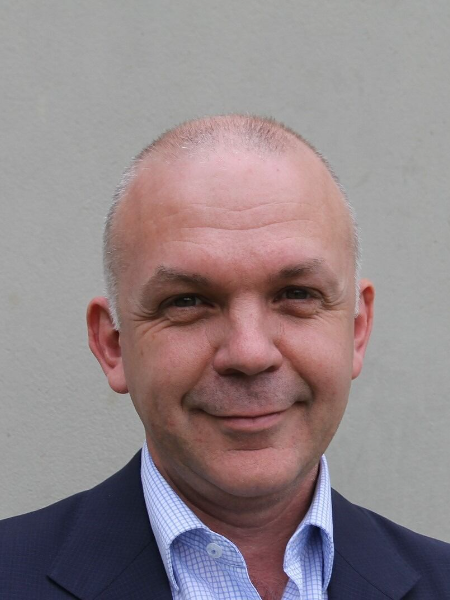
His clinical expertise spans a broad range of gastrointestinal conditions, with particular interests in viral hepatitis, fatty liver disease and autoimmune liver diseases. Alongside his clinical practice, Paul has published more than 170 peer-reviewed research articles and supervised numerous PhD projects.
Paul is also deeply committed to improving public understanding of liver health and strengthening advocacy for people affected by liver disease. He serves on the Board of LiverWELL, an Australian organisation dedicated to liver health education, prevention and support. He is also the author of Liver Better Life, which aims to make knowledge about liver health accessible and empower people to take steps towards better health.
Read the Biography
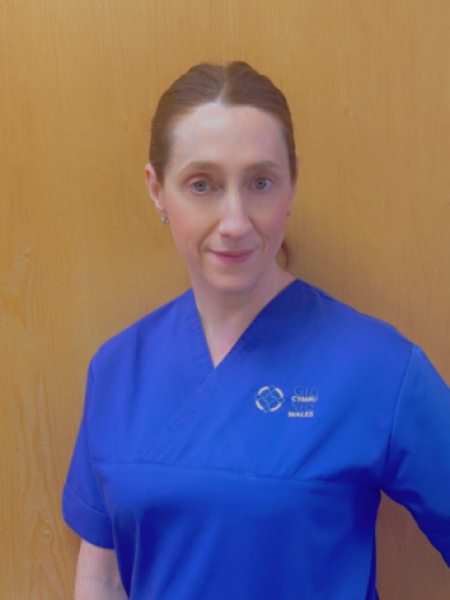
Karen is a highly experienced Consultant Nurse in Heart Failure and Cardiac Rehabilitation at Aneurin Bevan University Health Board (ABUHB), supporting communities across South East Wales. With extensive expertise in heart failure management, cardiac rehabilitation, and service development, Karen combines advanced clinical practice with strategic leadership to improve care and experiences for people living with cardiovascular conditions.
Karen has played a leading role in the development and delivery of innovative, person-centred heart failure services across ABUHB. Through her work, she has focused on strengthening integrated care pathways, embedding evidence-based practice, and supporting multidisciplinary teams to deliver personalised, high-quality care.
A key focus of Karen’s work is the use of PerEmpo to better understand what matters to people living with heart failure and to support more personalised care planning. By integrating patient insights into clinical decision-making, she has helped improve service responsiveness, enhance patient experiences, and support more effective models of care.
Karen is passionate about advancing nursing leadership, developing future generations of cardiac healthcare professionals, and driving improvements that enable people to live well with heart failure. Her work reflects a strong commitment to Person-Centred, Value-Based Healthcare and the delivery of care that aligns with the priorities of each individual.
Read the Biography
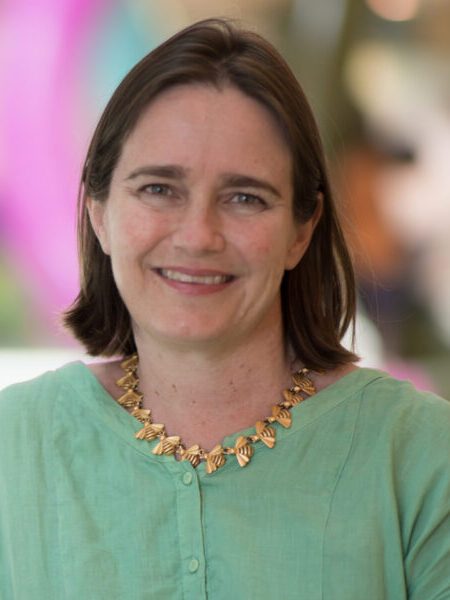
Harriet is a consultant paediatrician and Fellow of the Australian Academy of Health and Medical Sciences. She is Academic Lead of the Transforming Healthcare Impact Domain at the University of Melbourne and Group Leader of the Health Services and Economics Group at the Murdoch Children’s Research Institute (MCRI), as well as a consultant paediatrician at the Royal Children’s Hospital Melbourne.
She is a leading child health researcher with a strong focus on improving the wellbeing, mental health, and healthcare experiences of children and families. Her work spans child and adolescent mental health, sleep disorders, and health services research, with a particular emphasis on how healthcare systems can deliver more effective, efficient, and family-centred care.
Harriet is widely recognised for her expertise in translating evidence into practice and policy, helping to reduce unnecessary hospital use while improving outcomes for children through early intervention and system redesign. She has made a significant contribution to national and international guidelines in paediatrics and child health.

Read the Biography
Thomas Kelley is current CEO of Sprink. Prior to this role, between 2018 and 2019, he was the National Clinical Advisor on Value- Based Health Care (VBHC) for the Welsh Government. Between 2013 and 2018 he worked at the International Consortium for Health Outcomes Measurement (ICHOM). He established the London office in 2014 and subsequently led ICHOM’s work in the EMEA region between 2014 and 2017. In 2017 he took overall responsibility for ICHOM’s day-to-day operations across its London and Boston offices. He also had global responsibility for ICHOM’s strategic partnerships. Prior to working at ICHOM he practiced as a physician at Oxford University Hospitals (OUH). He received his BSc and MD from the University of Manchester, UK and MBA from the University of Oxford, UK.

Read the Biography
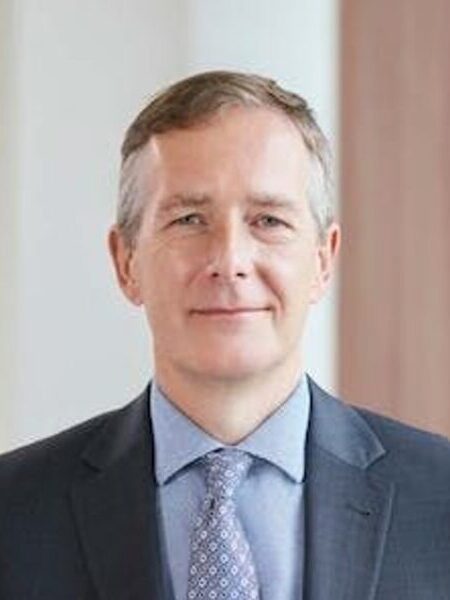
Richard is a Medical Oncologist at Peter MacCallum Cancer Centre in Melbourne, Australia, and a clinician-researcher dedicated to transforming cancer care through personalised approaches that place patients at the centre of treatment decisions.
His clinical practice focuses on melanoma, genitourinary cancers and the use of innovative systemic therapies, including immunotherapy and emerging treatments delivered through clinical trials. Through his research, Richard explores how advances in cancer biology, treatment innovation and patient-centred approaches can improve outcomes and redefine what is possible for people living with cancer.
As a PhD candidate, he is contributing to the next generation of evidence that will shape personalised oncology, with a particular interest in understanding how we can better identify the right treatment for the right patient at the right time.
Richard brings together frontline clinical experience, research expertise and a passion for improving the way cancer care is designed and delivered. His perspective offers valuable insights into how patient priorities, clinical evidence and innovation can come together to create meaningful impact in modern healthcare.
Read the Biography
Fergus is the former Chief Medical Officer at The Royal Melbourne Hospital, where he provided strategic leadership across medical governance, clinical quality, and the delivery of safe, high-quality care. He is a senior health executive and emergency physician with extensive experience in clinical leadership, healthcare management, and system improvement.
Prior to this role, Fergus held a range of executive positions across major health organisations, including Chief Medical Officer at Austin Health, Executive Director of Medical Services at Peninsula Health, and Group Director of Medical Services and Clinical Governance at Cabrini Health. Throughout his career, he has focused on strengthening clinical governance, supporting healthcare teams, and improving the quality and value of care delivered to communities.
He holds a Bachelor of Medicine/Bachelor of Surgery (MBBS), a Master of Public Health (MPH), and is a Fellow of the Australasian College for Emergency Medicine (FACEM) and the Royal Australasian College of Medical Administrators (FRACMA). He is also a Graduate of the Australian Institute of Company Directors (GAICD).
Fergus brings extensive experience in translating clinical expertise and governance frameworks into practical improvements that support person-centred, sustainable healthcare systems.

Read the Biography
Catherine Labinjoh is a distinguished Consultant Cardiologist at NHS Forth Valley and serves as the National Clinical Advisor for Realistic Medicine at the Scottish Government. In her clinical role, she is dedicated to advancing person-centred care, with a focus on shared decision-making and the development of services that align with patients’ individual needs and preferences. As the Clinical Lead for the Quality Improvement Hub in Forth Valley, she spearheads initiatives aimed at enhancing healthcare delivery through continuous improvement and innovation.
Beyond her clinical and advisory roles, Catherine is an Honorary Professor at the University of Stirling, contributing to the academic development of future healthcare professionals. She is an elected member of the Council of the Royal College of Physicians of Edinburgh, representing Tayside and Central Scotland. Within the College, she plays an active role in promoting Equality, Diversity, and Inclusion and serves as the Clinical Lead for Enhance, the College’s mentoring programme. Additionally, she is a key member of the Quality Governance Collaborative Faculty and Board, collaborating on projects in partnership with the World Health Organization.
Catherine’s commitment to healthcare extends internationally. She is a graduate of the Scottish Quality and Safety Fellowship Programme and has worked across Scotland and in rural Africa, where she developed an interest in supporting nurse-led services, patient safety, and pathway development. Her passion lies in building and providing sustainable care and services based on what matters most to patients and families.

Read the Biography
Andrew is a leading voice in healthcare improvement, bringing together frontline clinical expertise, national quality leadership, and a deep commitment to creating safer, more effective, and more person-centred healthcare systems.
As a Consultant in Anaesthesia and Critical Care at NHS Forth Valley and Clinical Lead for Quality Improvement and Clinical Governance at NHS National Services Scotland, Andrew works at the intersection of clinical excellence, system transformation, and patient outcomes. His career has been dedicated to understanding how healthcare organisations can move beyond simply delivering care to continuously improving the way care is designed, experienced, and valued by patients.
Through his national leadership role, Andrew supports the advancement of quality improvement across NHS Scotland, helping teams harness data, evidence, and improvement science to reduce unwarranted variation, strengthen safety, and deliver better outcomes. His experience caring for critically ill patients provides a unique perspective on the importance of understanding what matters most to individuals and families, particularly at moments when healthcare decisions have profound impact.

Read the Biography
Rachel is s a Principal Clinical Psychologist at King’s College Hospital NHS Foundation Trust, where she leads the Adult Cystic Fibrosis Psychology Service. She specialises in the psychological care of people living with long-term physical health conditions, with particular expertise in cystic fibrosis.
Rachel works as part of a multidisciplinary team to integrate psychological care into routine clinical practice, helping people manage the emotional and behavioural challenges associated with chronic illness while supporting person-centred care and shared decision-making. Alongside her clinical leadership, she supervises clinical psychologists, contributes to service development, and is actively involved in advancing psychological care within specialist services.
She is the Psychology Chair of the UK Psychosocial Professionals in Cystic Fibrosis Group and has contributed to national initiatives and professional education focused on improving psychosocial support and multidisciplinary care. Rachel is passionate about ensuring that healthcare reflects what matters most to people, embedding psychological perspectives into the delivery of high-quality, person-centred care.

Read the Biography
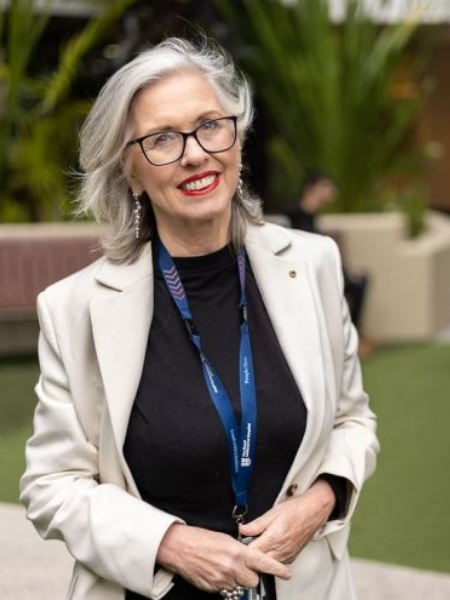
Stefanie is an experienced research and healthcare professional with a strong foundation in public health, community medicine, health economics, and physiotherapy. She is currently Market Access Lead for ANZ at Teva Pharmaceuticals.
She began her career as a physiotherapist and has since built over 15 years of experience leading major research and health initiatives across Europe and Australia. Her work has focused on falls prevention, fracture research, dementia, and healthy ageing, with leadership roles in large-scale Horizon 2020 and Innovative Medicines Initiative (IMI) projects involving coordination across more than 15 European countries. These roles have strengthened her commitment to cross-disciplinary collaboration and research that translates into real-world impact.
Stefanie brings together clinical insight and research expertise to advance value-driven, patient-centred healthcare. She has authored over 60 peer-reviewed publications and presented widely at international conferences, contributing to healthcare innovation across both academic and industry settings.
Across her work, she remains focused on improving patient outcomes and enabling more accessible, evidence-based, and sustainable models of care.
Read the Biography
Christobel Saunders is the James Stewart Chair of Surgery, the Head of the Department of Surgery at the University of Melbourne (Royal Melbourne Hospital precinct) and consultant surgeon in the Department of General Surgery at Royal Melbourne Hospital and the Peter MacCallum Cancer Institute. She is internationally recognised as one of Australia’s most prominent research-orientated cancer surgeons. She has substantially contributed to breast cancer research including clinical trials of new treatments, psychosocial, translational and health services research. In recognition of her sustained career excellence and innovation, she has been publicly acknowledged through numerous awards and honours including Order of Australia 2018, the Uccio Querci della Rovere Award (2018), WA Women’s Hall of Fame Inductee (2018), WA Scientist of the Year (2017) and Cancer Council WA career Achievement Award (2021).

Read the Biography
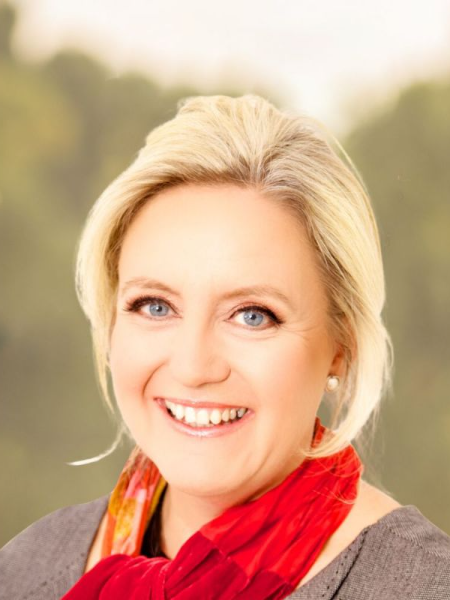
Chris is a Principal Research Fellow in Health Economics at the Melbourne School of Population and Global Health, The University of Melbourne. His research focuses on improving healthcare decision-making through the application of health economics, economic evaluation and advanced modelling approaches.
Chris has extensive experience in evaluating healthcare interventions, assessing value for money, and developing evidence to support more effective and sustainable health systems. His work spans areas including chronic disease management, healthcare innovation, low-value care, and the allocation of healthcare resources to maximise outcomes for patients and populations.
Through his research, Chris explores how health systems can better understand and measure value, balancing clinical outcomes, patient needs and economic considerations. His expertise provides important insights into how evidence can inform policy, investment decisions and the transformation of healthcare delivery.
Chris brings a strong commitment to ensuring that healthcare resources are used in ways that deliver meaningful improvements in health and wellbeing.
Read the Biography
Siân is a health systems researcher, consumer advocate and experienced global healthcare leader. She is Chair of LiverWELL, a Victorian organisation supporting people affected by liver disease, and serves on the boards of the Leukaemia Foundation and The Bridge Inc. Through her governance roles and collaborative initiatives, she champions the needs and perspectives of consumers and communities in shaping more person-centred, responsive health and support services.
A UK-trained pharmacist with a Master of Public Health, MBA and GAICD qualification, Siân spent 25 years in leadership roles in the pharmaceutical industry across the UK, France, the United States and Australia, working in research, development and commercialisation. She is an Honorary Enterprise Fellow at the University of Melbourne’s Nossal Institute for Global Health and a PhD candidate researching the mechanisms that enable people to navigate complex healthcare systems, through international collaboration between Australia and Wales.
Siân founded #NavigatingHealth, a social impact initiative focused on improving patient navigation and empowerment, and chairs its National Network with the Australian Disease Management Association. She is also Co-Chair of the International Social Prescribing Collaborative Steering Group, working with colleagues globally to strengthen connections between health, social and voluntary sectors.
Bringing together experience in healthcare leadership, research, consumer advocacy and cross-sector collaboration, Siân is committed to ensuring that health systems better reflect people’s experiences, priorities and needs.

Read the Biography
Andrea Srur is a Medical Doctor trained in Chile at Universidad Mayor. Following her training, she completed a MSc in Management and Organisational Innovation at Queen Mary University London (2012) and a MSc in Health Systems and Global Policies (2018) at Queen Mary University London.
She was Head of the Non-Communicable Diseases (NCD) Department at the Ministry of Health in Chile, working on NCD policies, strengthening the national network and bringing stakeholders together, and through what she developed an interest for Value-Based Health Care and joined the International Consortium for Health Outcomes Measurement (ICHOM) in London in 2016 as Outcomes, Analytics and Benchmarking Manager. At ICHOM Andrea supported the implementation of Value-Based Health Care in hospitals across the UK, Europe and South America. After ICHOM, and during the pandemic, Andrea was the Programme Manager of the National Children Diabetes Quality Improvement Programme for England and Wales at the Royal College of Paediatrics and Child Health (RCPCH) in London, UK.

Read the Biography
Adam is a nephrologist and general physician at The Royal Melbourne Hospital, where he also serves as Deputy Director of Physician Education. He teaches clinical skills and professional practice at The University of Melbourne, where he is completing a PhD on quality indicators in nephrology across Australia and New Zealand. His clinical interests include chronic kidney disease care, shared decision-making, communication, and supportive care. Adam chairs Young Australian and New Zealand Society of Nephrology (ANZSN) and is a board member at Stand Up, where he contributes his expertise in community service and social justice. His involvement reflects a strong commitment to fostering inclusive and compassionate communities.
2027 Global Forum Draft Programme
View The 2027 Global Forum Programme
Submit Your Poster
Showcase your practical approaches to Person-Centred Value-Based Healthcare
We invite clinicians, researchers, healthcare leaders, policy makers, industry partners and people with lived experience to submit poster abstracts that showcase practical approaches to transforming healthcare through Person-Centred Value-Based Healthcare (PCVBHC).
The poster session will highlight real-world examples of how organisations are putting people’s values and goals at the centre of care, redesigning services around what matters most, embedding PCVBHC measurement into routine practice, reducing unwarranted variation, and creating more equitable, sustainable healthcare systems.
We welcome implementation journeys, quality improvement initiatives, research, evaluations and innovations that demonstrate measurable impact and share practical learning that others can apply in their own settings.
Click to read the poster submission guide
Benefits of Submitting a Poster
Submitting a poster provides an opportunity to:
- Showcase your work and impact – share your practical approach, innovation or implementation journey with an international audience of healthcare leaders, clinicians, researchers and policy makers.
- Share learning and inspire others – highlight what has worked, the challenges you have overcome, and insights that others can apply in their own healthcare settings.
- Build connections and collaborations – connect with organisations and individuals working to advance Person-Centred Value-Based Healthcare around the world.
- Raise the profile of your team and organisation – celebrate your contribution to transforming healthcare and delivering care that better reflects what matters to people.
Poster Themes
We particularly encourage submissions that demonstrate practical implementation, real-world impact, and lessons learned.
Abstracts should align with one or more of the following themes:
1. Putting people's values and goals at the centre of clinical care
Share practical examples of how clinicians and teams are embedding people’s values and goals into routine care.
Examples include:
- Implementing values and goals conversations in clinical practice.
- Integrating person-centred approaches into care pathways and multidisciplinary teams.
- Improving shared decision making and personalised care planning.
- Evidence of impact on patient or staff experience and/or healthcare improvement.
2. Developing a Person-Centred Value-Based Healthcare strategy
Show how your organisation, department or service is implementing PCVBHC and the difference it has made.
Examples include:
- Developing and delivering a PCVBHC strategy.
- Leading organisational or service transformation.
- Overcoming implementation challenges and engaging stakeholders.
- Measuring impact and sharing lessons learned.
3. Using values and goals to drive improvement
Demonstrate how patient priorities are being used to improve healthcare delivery and decision making.
Examples include:
- Quality improvement and service redesign informed by patient values and goals.
- Using values and goals data to improve outcomes or reduce unwarranted variation.
- Supporting planning, resource allocation or performance measurement.
- Applying data analytics or AI to generate actionable insights.
4. Using patient values and goals to identify unmet need and enhance clinical trials
Share examples of how patient values and goals are improving research, innovation and healthcare development.
Examples include:
- Designing clinical trials around what matter most to patients.
- Using patient values and goals to identify unmet need.
- Industry, academic or healthcare collaborations that have improved research or care.
- Demonstrating real-world impact on innovation or healthcare sustainability.
5. Using technology and AI to scale Person-Centred Value-Based Healthcare
Show how technology is enabling the implementation and spread of PCVBHC.
Examples include:
- Digital tools that support PCVBHC care in routine practice.
- AI applications that improve personalisation, decision making or service delivery.
- Scaling successful approaches across teams, organisations or health systems.
- Evidence of measurable improvements in care, efficiency or experience.
We welcome submissions describing:
- Research studies
- Quality improvement projects
- Service redesign
- Implementation case studies
- Digital innovations
- Evaluation projects
- Policy initiatives
- Collaborative partnerships
Poster Review Criteria
Poster abstracts will be assessed against the following criteria:
Relevance to the Forum
How well the submission aligns with the Forum themes and contributes to advancing Person-Centred Value-Based Healthcare.
Practical Implementation
The extent to which the submission describes a practical approach, intervention or innovation that has been implemented in a real-world healthcare setting. Reviewers will consider whether the approach is clearly described and demonstrates how change was achieved.
Impact and Outcomes
The extent to which the submission demonstrates meaningful impact for people receiving care, clinicians, organisations or health systems. This may include measurable outcomes, improvements, early findings or evidence of change.
Learning and Transferability
The extent to which the submission provides useful insights, lessons learned or practical recommendations that could support implementation in other healthcare settings.
Clarity and Quality of Submission
The clarity, structure and quality of the abstract, including a clear description of the challenge, approach, outcomes and key learning.
Attendance and Presentation Commitment
- At least one author must register for and attend the Forum in order to present the poster.
- The designated poster presenter will receive a 10% discount on Forum registration fees.
Poster Format and Presentation Opportunities
Poster Display
- All accepted posters will be displayed physically at the Forum venue during Tuesday 18 May 2027 and Wednesday 19 May 2027.
- Digital versions of accepted posters will also be shared with Forum attendees following the event.
Poster Stage Presentations
- Poster presentation opportunity
- A select group of poster presenters will be invited to participate in a 7-minute poster presentation session during the Forum. Additional information regarding poster presentations will be provided to selected presenters in due course.
Important Dates
Call for poster submissions closes
- Thursday, 31 December 2026.
Selection notifications
- Sunday, 31 January 2027.
Draft digital poster submission
Selected presenters must submit a draft digital poster file for review.
- Wednesday, 31 March 2027.
Final digital poster file submission
- Friday, 16 April 2027.
Printed poster submission
- Friday, 16 April 2027.
Printed posters should be sent to:
Professor Christobel Saunders,
Department of Surgery, Melbourne Medical School,
University of Melbourne 155 Barry Street,
Carlton,
Victoria 3053,
Australia.
Poster presentation sessions
- Tuesday, 18 May and Wednesday, 19 May 2027
Registration Fees
Please note: All prices include applicable taxes.
Healthcare organisations, government , non-profit and small for-profit companies (1-49 employees).
Medium and large for-profit companys (50+ employees).
Undergraduate and postgraduate students, charities and consumer and patient advocates.
Group Discounts
The discount will be applied automatically at checkout when you select the number of tickets for the applicable fee category.
Concessions - Proof of Status
If you are eligible for concessions ticket price, please submit one of the following to Andrea Srur (a.srur@sprink.co.uk). Once the proof of status is received, you will be sent a discount code for you to use when registering for the Forum.
Proof of enrolment as a student.
- A statement of student status letter from their academic centre or;
- Photo of their student identification card.
Proof of employment as charity staff.
- A letter on the charity’s official letterhead confirming their role.
- A scanned copy or photo of their official staff ID.
Proof of status as a consumer or patient advocate.
- A letter on the consumer group/hospital official letterhead confirming their role.